By Florida Coastal Team
St. Augustine’s historic core is concentrated around Matanzas Bay, St. George Street, Aviles Street, and the blocks near the Plaza de la Constitución, which gives the city an unusually clear sense of place. The landmarks here range from the seventeenth-century Castillo de San Marcos to Gilded Age architecture at Flagler College and preserved colonial buildings at the Oldest House Museum Complex.
The following places shape how different parts of St. Augustine feel, from bayfront blocks to the streets just south of the historic district.
Key Takeaways
- Castillo: The bayfront fort remains the city’s signature landmark
- Colonial core: Plaza streets and early houses preserve Spanish-era history
- Flagler legacy: King Street landmarks add another historic layer
- Context: Historic sites shape neighborhood identity and real estate appeal
Castillo de San Marcos and the Bayfront
The Castillo de San Marcos stands on the western shore of Matanzas Bay and remains the most recognizable historic structure in St. Augustine.
Why the Castillo matters
- Matanzas Bay setting: The fort commands one of the city’s most visible waterfront locations
- Spanish military history: The site reflects the defensive role St. Augustine held in colonial Florida
- Historic district anchor: Its position helps frame nearby streets and public spaces
- Enduring landmark: The structure remains central to how St. Augustine is recognized nationally
Built by the Spanish beginning in 1672, it preserves the oldest masonry fortification in the continental United States and anchors the northern edge of the city’s historic district.
Plaza de la Constitución and the Colonial Street Grid
The Plaza de la Constitución sits at the civic heart of the old city and connects directly to some of St. Augustine’s most important historic streets and public buildings.
Key landmarks around the plaza
- Plaza de la Constitución: The city’s central public square and a long-standing civic focal point
- Cathedral Basilica of St. Augustine: A historic cathedral on Cathedral Place with deep roots in the city
- Government House area: A core civic and historic block near the plaza
- St. George Street connections: A direct link between the plaza and one of the city’s best-known pedestrian corridors
This area holds unusual value because the plaza, Cathedral Place, Government House, and the surrounding blocks still reflect the Spanish colonial street pattern that defines the city center.
Flagler College and the King Street Landmarks
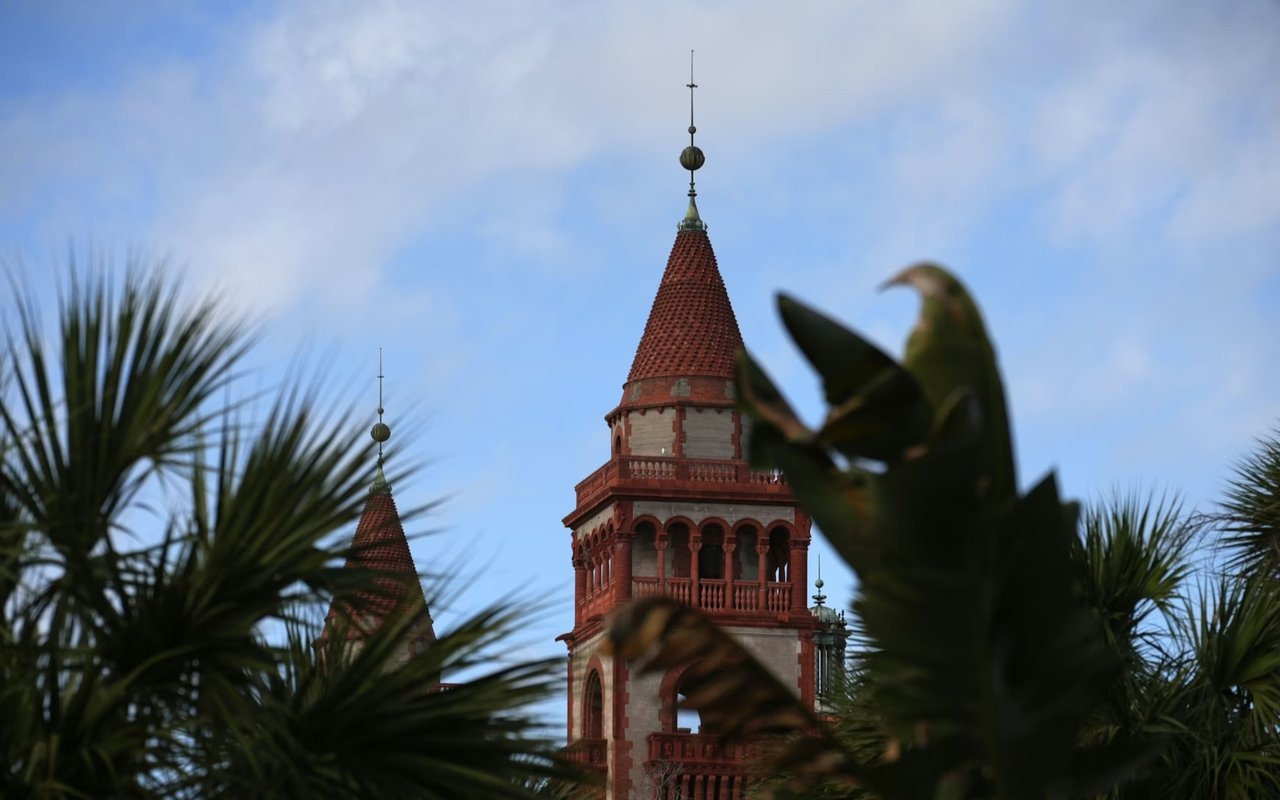
The former Hotel Ponce de Leon, now Flagler College, adds a later but equally important chapter to St. Augustine’s historic story.
Why the Flagler legacy stands out
- Flagler College: The former Hotel Ponce de Leon remains a defining landmark on King Street
- Architectural presence: The building’s scale and design create a major visual landmark
- Historic tours: Public tours keep the building’s original story active and accessible
- King Street influence: Nearby blocks benefit from the strength of this preserved setting
King Street feels especially important in real estate conversations because this landmark gives the corridor architectural depth and a polished sense of arrival.
The Oldest House Museum Complex and South End Heritage
South of the plaza, the Oldest House Museum Complex offers one of the clearest windows into residential history in St. Augustine.
What makes the complex important
- González-Alvarez House: Recognized as the oldest surviving Spanish colonial residence in Florida
- Museum campus: Additional galleries and exhibits broaden the historical context
- Gardens and grounds: The setting adds another layer to the experience of the site
- Southern historic district link: The location helps tie together downtown and older southern streets
The complex centers on the González-Alvarez House and includes exhibits, gardens, and additional museum spaces that help explain how domestic life evolved over centuries in the city.
Aviles Street and the Historic Fabric of the Old City
Aviles Street remains one of the most evocative streets in St. Augustine because it preserves the feel of the older city in a compact, walkable setting.
The features that give Aviles Street its appeal
- Historic alignment: The street reflects the scale and pattern of the old city
- Architectural continuity: Older buildings and courtyards reinforce the setting
- Proximity to the bayfront: The location connects inland blocks to the waterfront edge
- South district character: The area supports a more layered understanding of downtown
We like focusing on Aviles Street because it shows how history in St. Augustine is experienced block by block rather than only through headline landmarks.
FAQs
Which historic landmark is the most iconic in St. Augustine?
The Castillo de San Marcos is usually the first answer because of its bayfront position, its age, and its role in the city’s colonial history. It remains the clearest single symbol of St. Augustine.
Are the most important historic sites all in one part of town?
Many of the most significant landmarks sit within or just around the historic district, especially near Matanzas Bay, the plaza, Aviles Street, and King Street. That compact layout makes the historic core feel especially cohesive.
Why do historic sites matter in local real estate conversations?
They help shape neighborhood identity, walkability, and the visual character that makes St. Augustine stand apart. Historical sites in St. Augustine also create a stronger sense of continuity between architecture, public space, and daily life.
Contact Florida Coastal Team Today
At Florida Coastal Team, we help clients understand St. Augustine through the places that give it lasting character, from the stone walls of the Castillo to the plaza streets, the King Street landmarks, and the preserved homes south of downtown.
Reach out to us at Florida Coastal Team, and we will help you evaluate neighborhoods with a clear view of how history, architecture, and location come together in one of Florida’s most distinctive coastal markets.
Reach out to us at Florida Coastal Team, and we will help you evaluate neighborhoods with a clear view of how history, architecture, and location come together in one of Florida’s most distinctive coastal markets.